CLIENT
Undisclosed
TYPE
Addition to existing structure
SIZE
Floor area: 4.5 m2
LOCATION
Hall Crescent – Lower Hutt, New Zealand
PROJECT AUTHOR
Davor Mikulcic Dipl. Eng. Arch. (Sarajevo) RAIA, ANZIA
STATUS
Completed
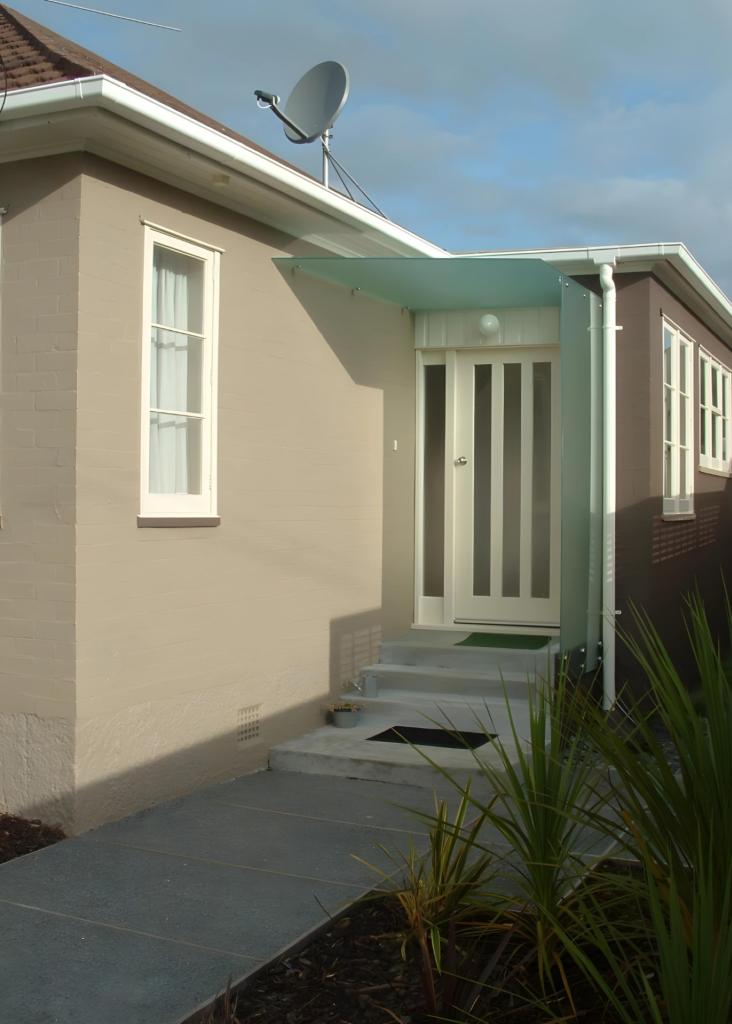
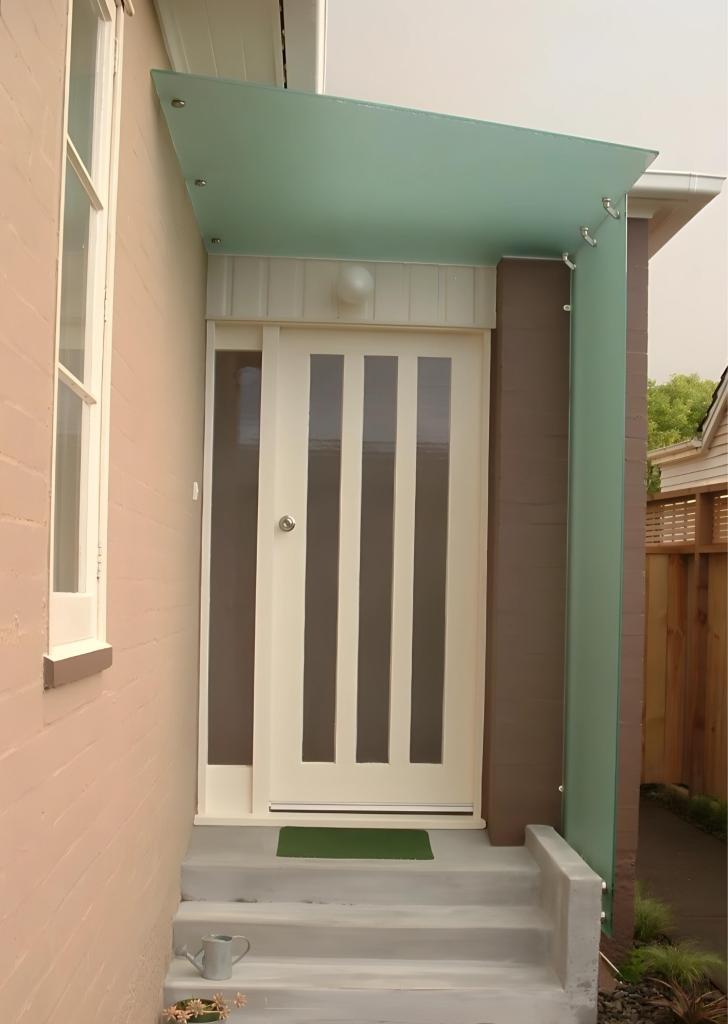
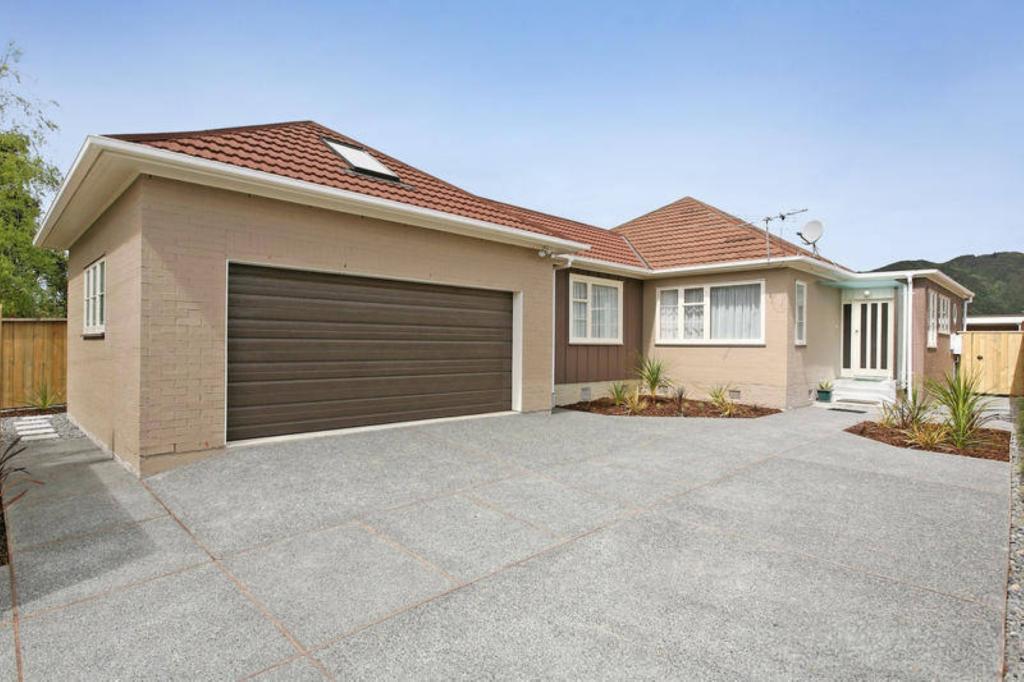
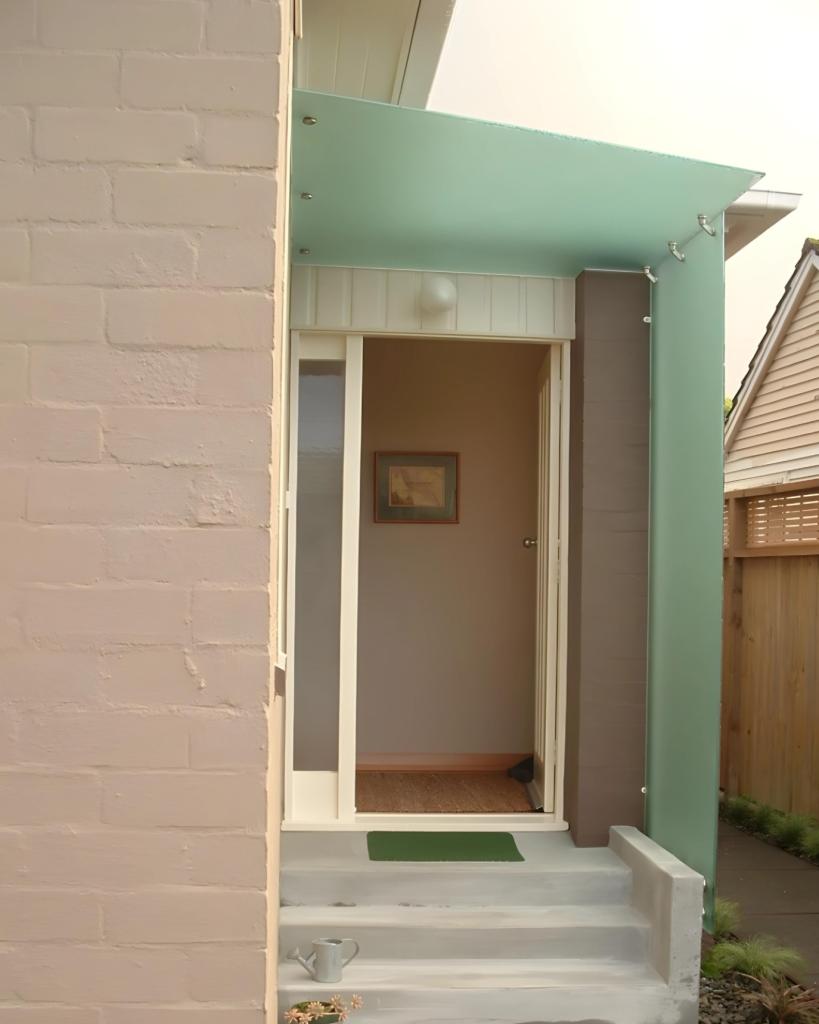
The Entry Glass Porch stands as a testament to the seamless integration of functional necessity with architectural elegance within the context of a historic 1940s social housing house. Designed to address the practical need for weather protection while ensuring privacy in a densely populated neighborhood, this structure embodies simplicity and sophistication in equal measure.
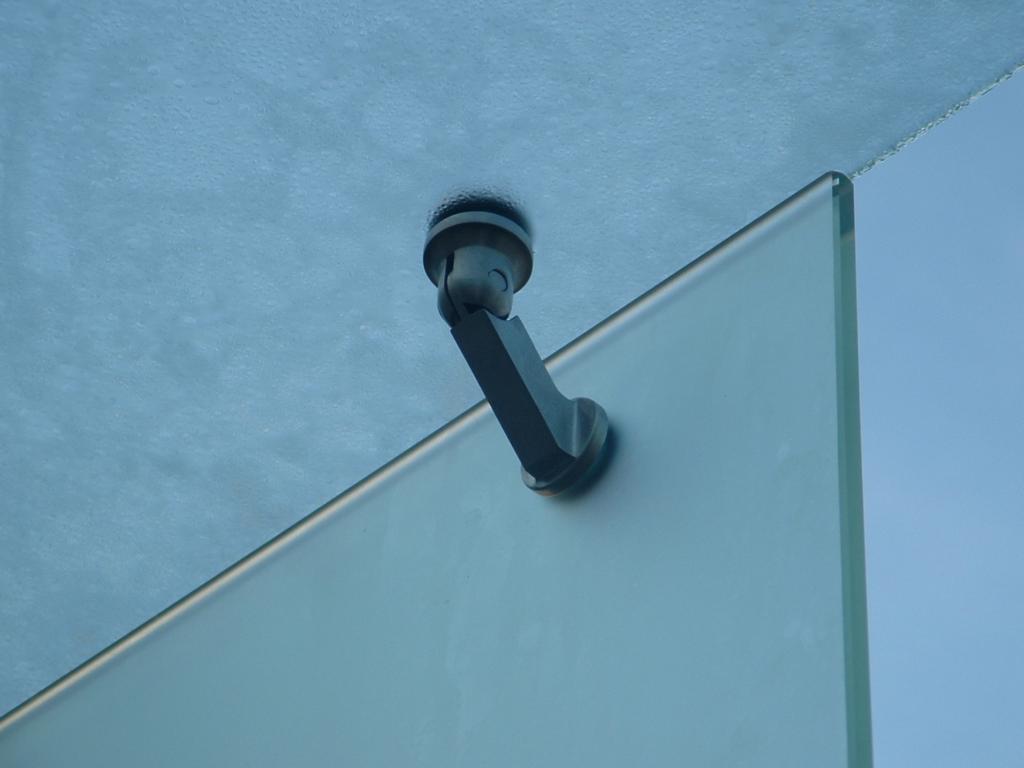
Crafted with meticulous attention to detail, the Entry Glass Porch boasts a minimalist design that harmonizes effortlessly with its surroundings. Comprising two toughened glass panels supported by stainless steel “spider” structures, it achieves a delicate balance between functionality and aesthetics.
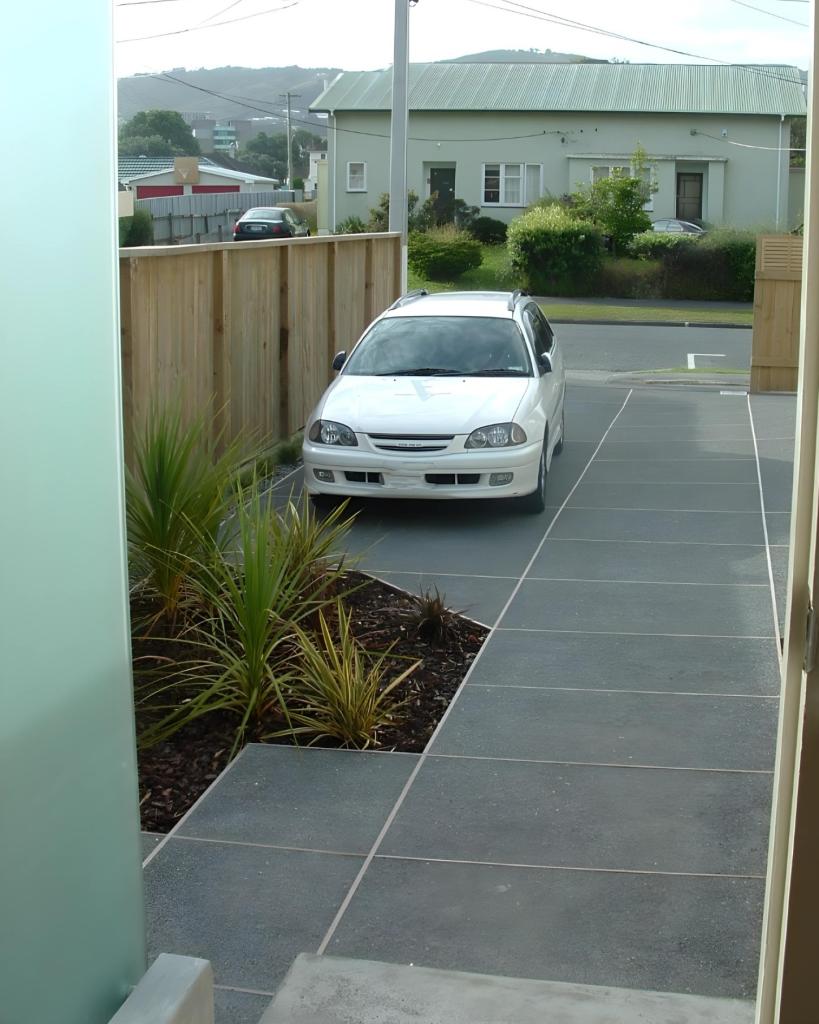
The transparent nature of the glass panels allows for an abundance of natural light to filter through, maintaining a sense of openness and connection to the outdoors. Yet, despite its unobtrusive presence, the porch provides essential shelter from rain and wind, ensuring comfort and convenience for residents and visitors alike.
One of the key strengths of this design lies in its adaptability and ease of installation. With a focus on simplicity and efficiency, the glass porch can be assembled quickly and with minimal maintenance requirements, making it an ideal addition to any property seeking practical yet stylish solutions.
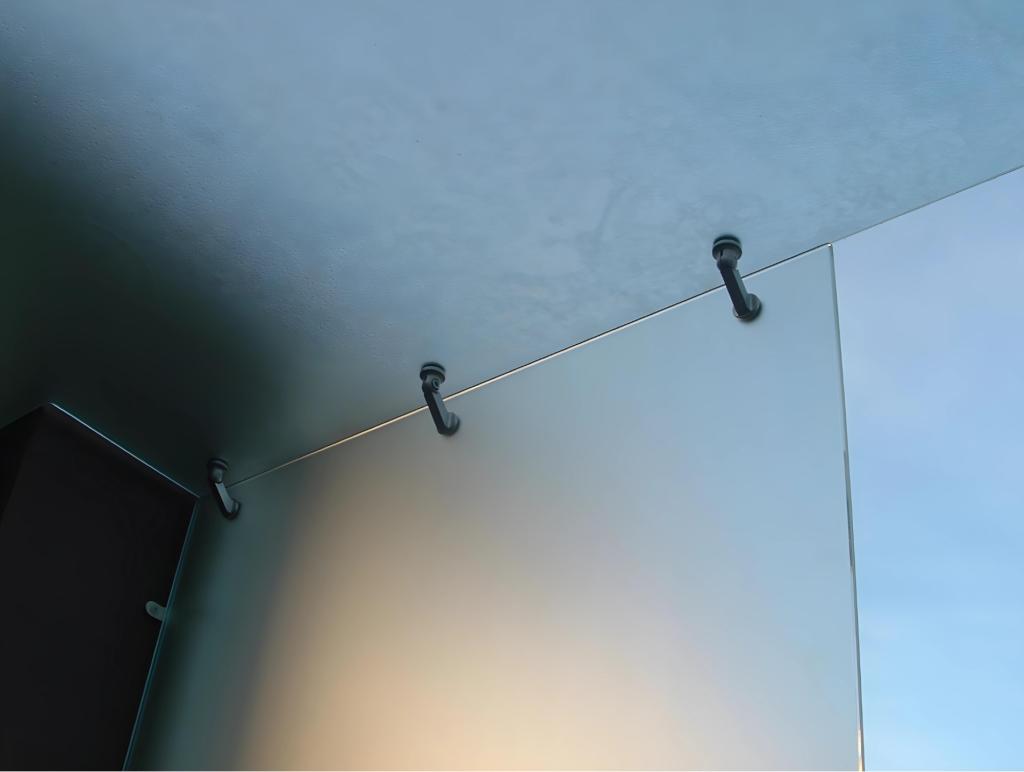
Moreover, the strategic positioning of the porch ensures that it complements rather than competes with the existing structure.
Its translucent facade allows it to blend seamlessly with the architectural aesthetic of the house, enhancing rather than detracting from its overall appearance.
In essence, the Entry Glass Porch serves as a striking example of innovative problem-solving in architectural design.
By embracing the inherent qualities of glass and leveraging a minimalist approach, it transforms a functional necessity into a captivating architectural feature that enriches the living experience while respecting the integrity of its historic context.